Weeknight Sofa Spill First Aid in Markham
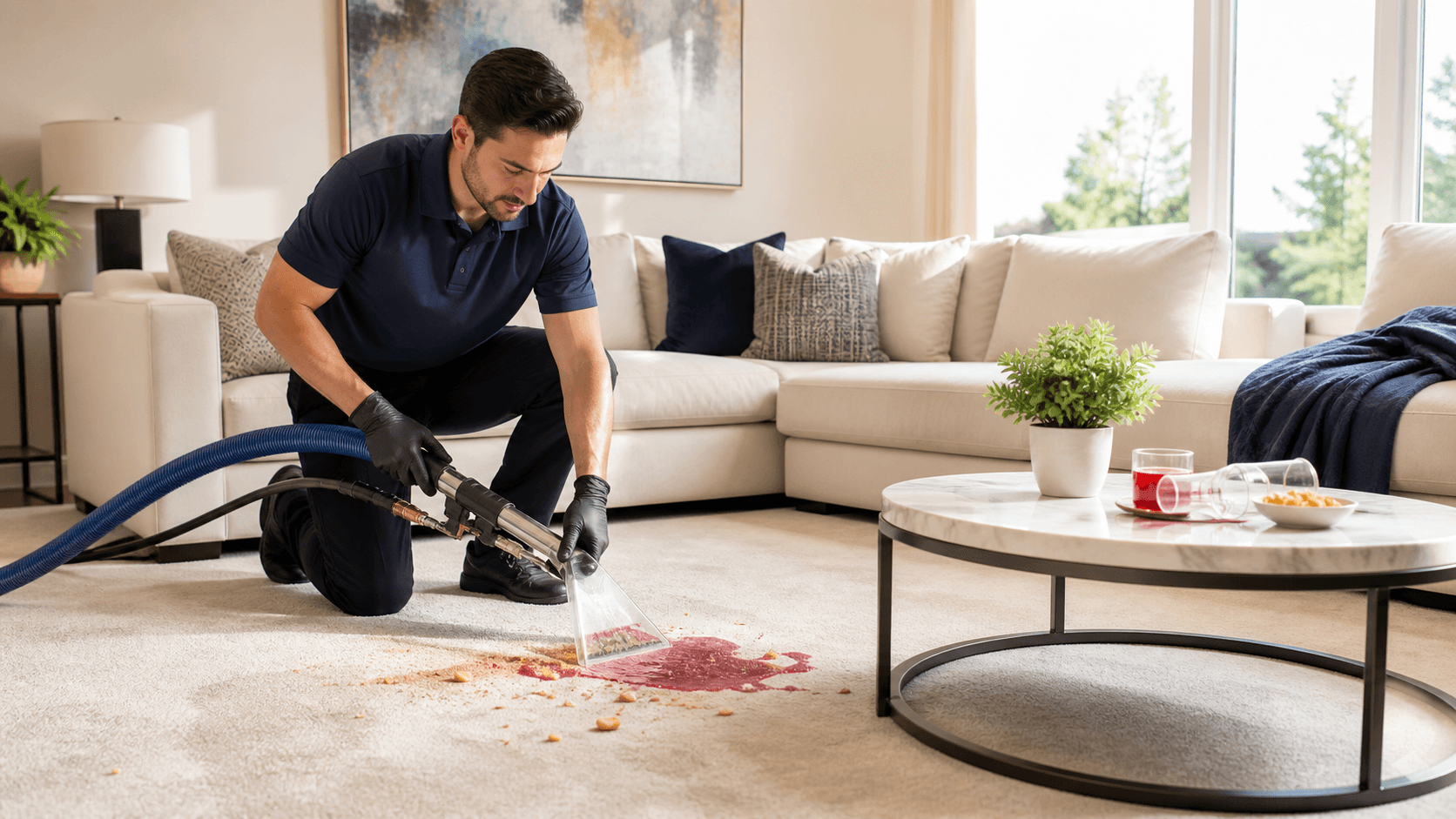
A spill on your sofa can turn a normal weeknight into a small panic. One second you are balancing dinner, the next there is red wine, tomato sauce, or hot chocolate soaking into the cushions. What you do in those first few minutes makes a big difference in how that stain looks tomorrow.
In this guide, I will walk you through simple, safe "first aid" steps you can use in the first 10 minutes, plus clear signs that it is time to stop do-it-yourself (DIY) and call a professional for sofa cleaning in Markham. With cooler weather and more evenings inside watching shows, game nights, and family visits, it pays to be ready before the next spill hits.
When Your Sofa Becomes Tonight's Main Drama
On a busy fall weeknight, it is easy to eat on the couch. The kids have homework, there is a game on TV, and someone is rushing to clean up from dinner. That is exactly when a glass tips or a bowl slips, and your sofa becomes the centre of attention.
Here is the good news: in many cases, speed matters more than the type of spill. If you act quickly but calmly, you can often keep a fresh stain from turning into a permanent reminder. Your goal is not to do everything yourself, it is to avoid making things worse before help can step in.
Keep this in mind when a spill happens:
- Focus on the first 10 minutes, not the next 10 products
- Work gently, not aggressively
- Know when to pause and protect your sofa instead of pushing on
Cooler autumn air in Markham means cushions and padding dry more slowly, so what you do right away can also affect odours and long‑term freshness.
First 60 Seconds: Breathe, Then Blot Smart
The very first step is simple: take a breath. Panicking often leads you to scrub hard or grab any cleaner under the sink, and that can cause more damage than the spill itself.
In that first minute, try this:
- Grab plain white cloths or paper towels, not coloured ones
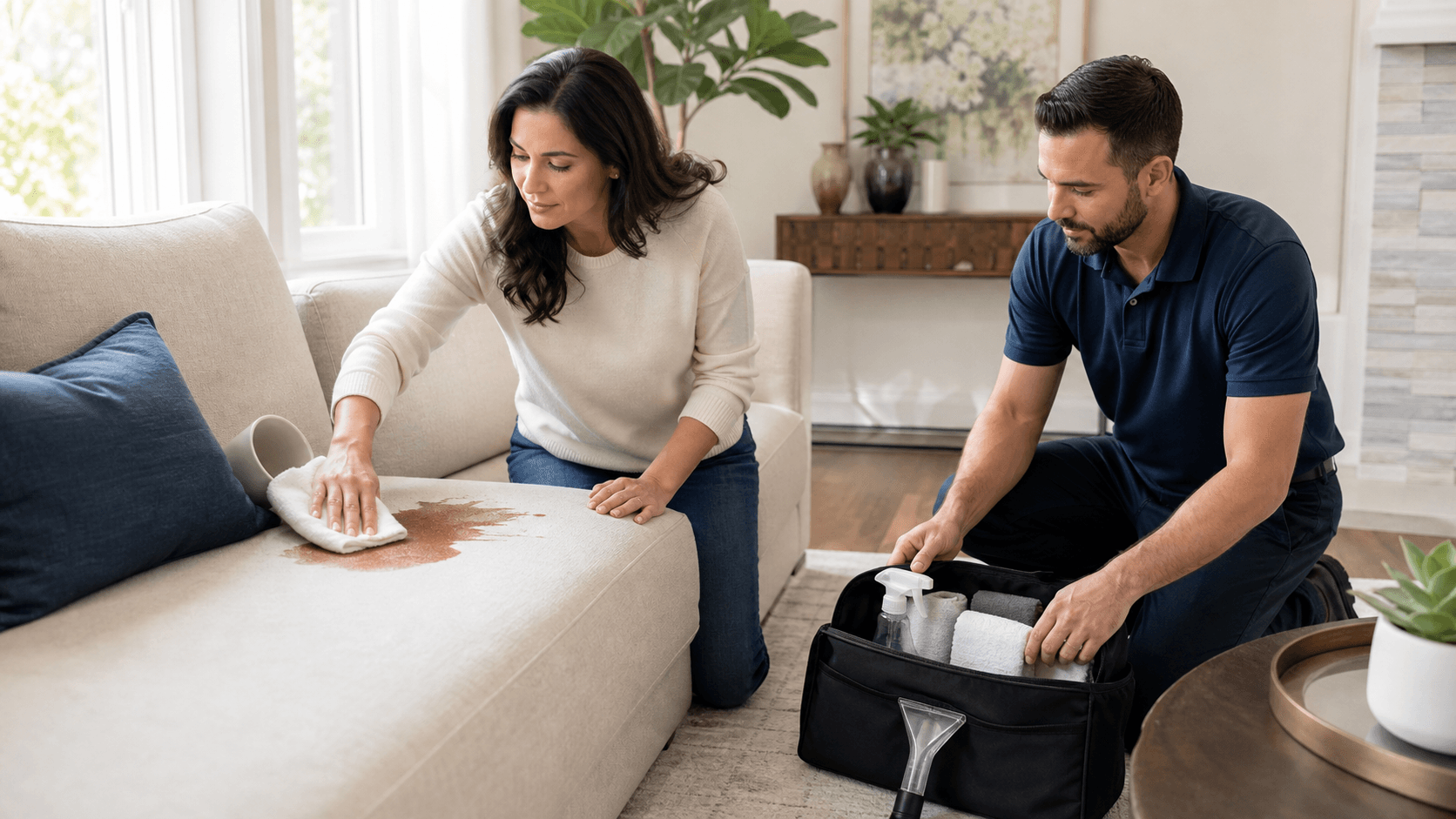
- Gently press down to soak up as much liquid as you can
- Work quickly, but do not rush so much that you start scrubbing
Blotting means pressing and lifting. Rubbing means pushing and dragging. Rubbing drives the spill deeper into the fabric, roughs up the fibres, and can leave a fuzzy patch that never looks right again.
Use this simple blotting method:
- Start at the edges of the spill and move toward the centre
- Use light to medium pressure, do not grind the cloth into the fabric
- Keep switching to a clean, dry part of the cloth as it gets wet
In this first minute, avoid:
- Scrubbing with a kitchen sponge or brush
- Pouring vinegar, bleach, or multi‑surface cleaner on the spot
- Heating the area with a hair dryer or heater
Heat can set some stains, and random cleaners can bleach or leave rings that are hard to fix.
Minutes 2 to 5: Check Your Sofa's Limits
Once you have blotted up as much as you can, it is time to see what your sofa can actually handle. This matters even more than what was spilled.
Most sofas have a small care tag tucked under a seat cushion or along the back. Look for codes like:
- W: Water‑based cleaners are usually safe
- S: Solvent‑type cleaners only, no water‑based cleaning
- WS: Either water‑based or solvent cleaners may be safe
- X: Vacuum only, no cleaning products at home
This little tag is your rule book. Using the wrong cleaner can cause:
- Faded spots or light patches
- Dark rings around the edge of the damp area
- Shrinking or rippling on some fabrics
Even with a "safe" code, it is always smart to test. Pick a hidden area, like the back bottom edge, and try a tiny amount of any cleaner there first. Blot, wait a few minutes, and see if the colour or texture changes.
Different spills can behave in different ways:
- Protein stains, like gravy, dairy, and some sauces
- Sugar stains, like hot chocolate, cola, and sweet lattes
- Tannin stains, like coffee, tea, and red wine
The right approach depends on both the type of stain and your fabric code. When in doubt, stop at gentle blotting and plan to call a pro, especially with S or X tags.
Minutes 5 to 10: Gentle DIY That Actually Helps
If your care tag says W or WS, you usually have a little room for gentle cleaning. The key is to keep it mild and stay away from soaking the fabric.
A low‑risk option is:
- Fill a small bowl with cool water
- Add one tiny drop of clear, unscented dish soap
- Mix gently so you do not create piles of foam
Then:
- Dampen, do not soak, a clean white cloth in the mix
- Lightly dab the stained area, do not scrub or twist
- Follow each round of dabbing with a dry cloth to blot up moisture
You want a simple dab‑and‑blot rhythm:
- Dab with the damp cloth to loosen the spill
- Blot with a dry cloth to lift it out
- Repeat until less colour or residue is coming up
Avoid pouring water straight onto the cushion. Too much moisture can sink into the padding and stay there, especially in cooler fall weather when windows are closed and airflow is lower. That can lead to musty smells or even hidden growth inside the cushion.
If your tag says S only, it is safer to stop after your first dry blotting in the early minutes. These fabrics are designed for solvent‑based products, not water mixes, and home recipes you find online can do real damage. At that point, waiting for a local professional is better than risking permanent marks.
Red Flags That Mean it's Time to Stop DIY
At some point, more "trying" just means more risk. Knowing when to stop is one of the best ways to protect your sofa.
Put the cloth down if you notice:
- The stain is spreading into a larger, lighter ring
- The fabric colour is fading or bleeding onto your cloth
- The area feels stiff, crunchy, or rough compared to the rest
- You smell a strong chemical or odd odour from the fabric
Odours, pet accidents, and old mystery stains are especially tricky. Moisture can get trapped deep inside thick cushions, then sit there in cooler autumn air. Over time, that can lead to:
- Bacteria build‑up
- Mould or mildew inside the padding
- Extra allergens hiding where you cannot see them
In those cases, professional sofa cleaning in Markham is not a last resort; it is simply the safer option. It is also the smarter choice when your sofa is very light, brand new, expensive, or has special fabric.
When a Markham Pro Can Save Your Weeknight
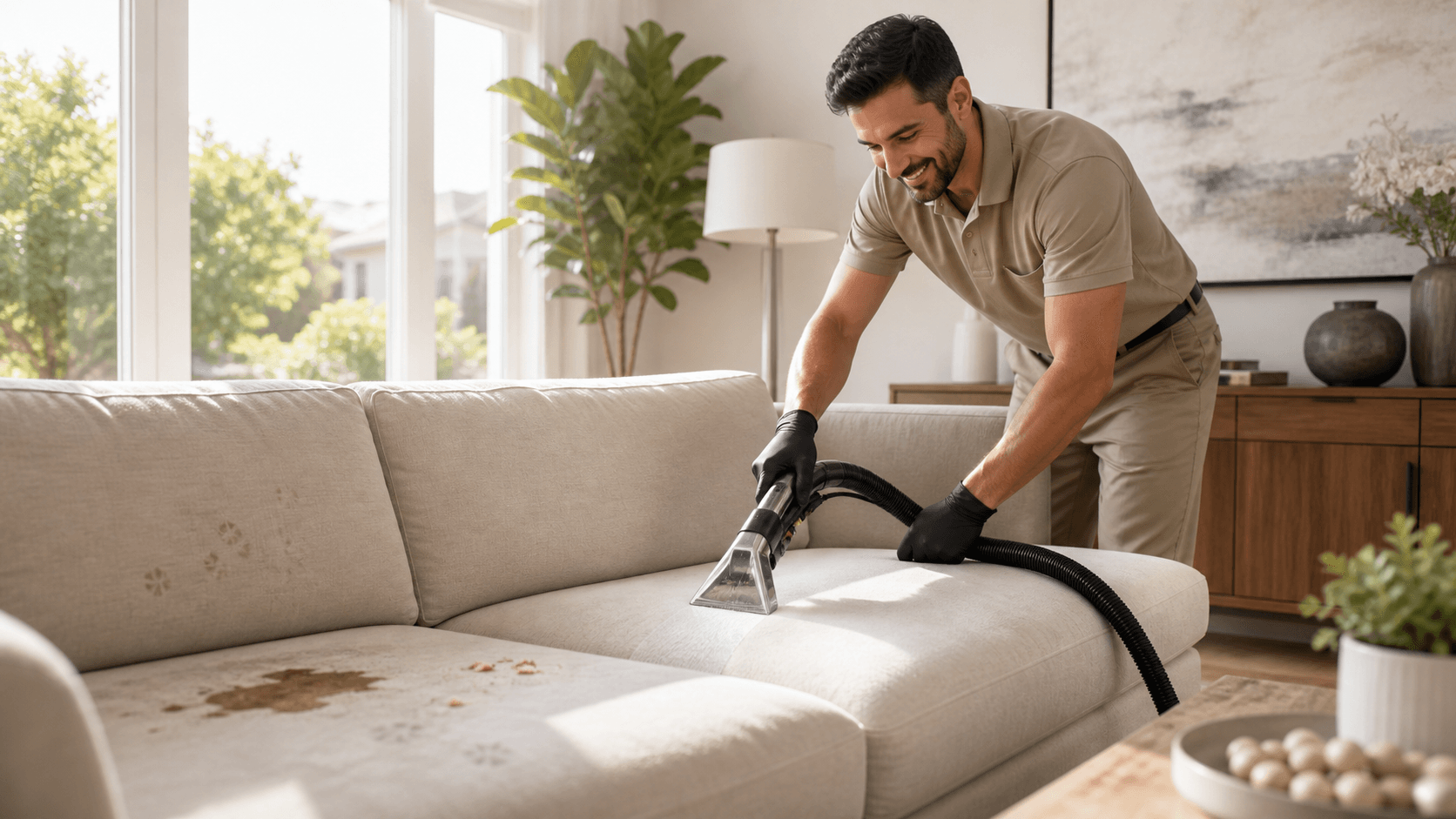
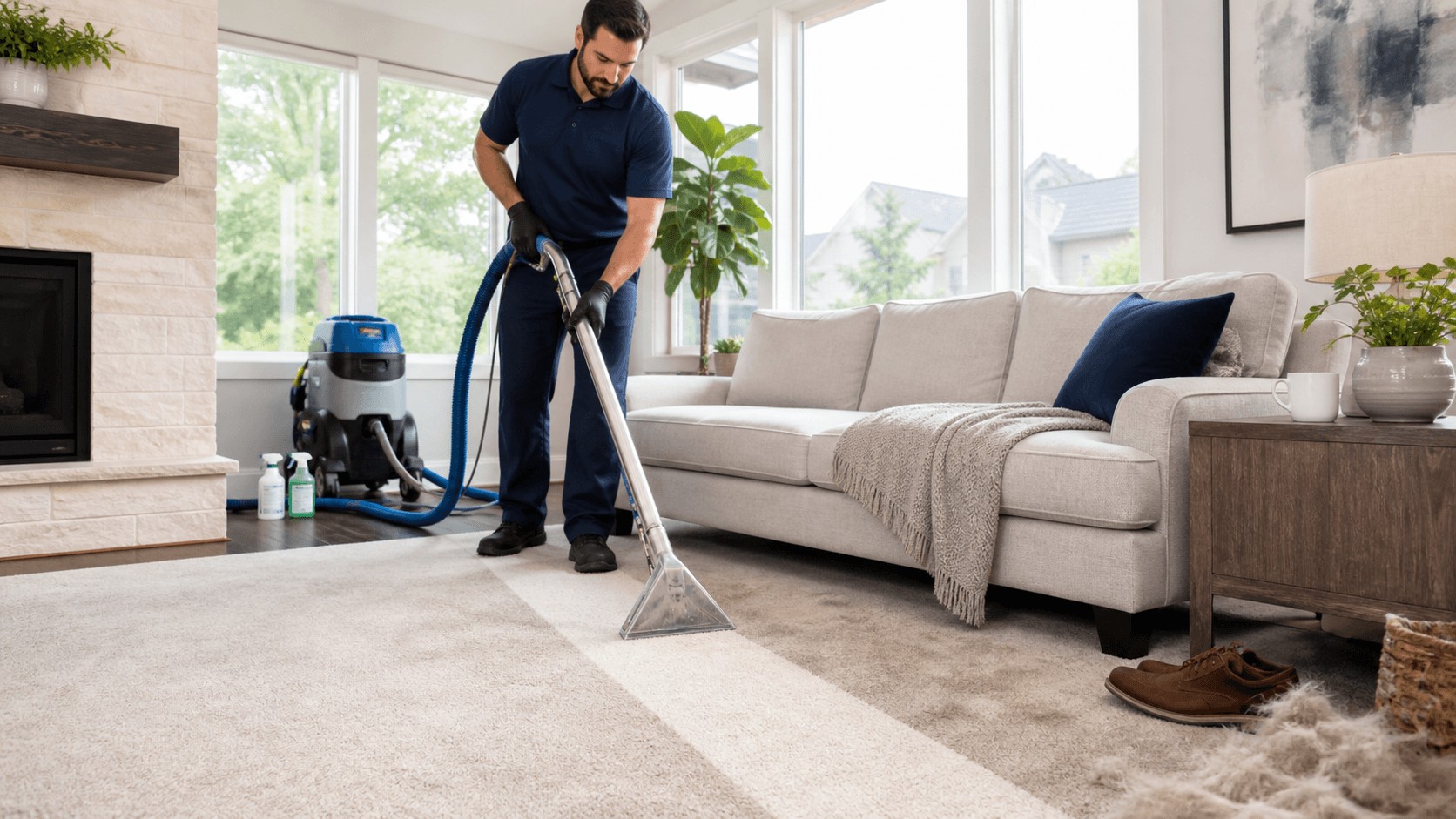
Calling a local eco‑friendly cleaner can turn a stressful spill into a simple plan. Instead of trying one product after another, you get proper stain treatment and strong extraction that pulls moisture and residue out of the fabric and padding.
A professional team can bring:
- Equipment that can rinse and extract more deeply than home tools
- Cleaning solutions that are chosen for your specific fabric type
- Experience with all kinds of sofas, from busy family pieces to office seating
Many people in Richmond Hill and Markham like to freshen their sofas, rugs, and carpets in the fall, before everyone spends more time indoors. Booking help after a spill can fit nicely with that, so your sofa looks better for the season ahead.
Next time a spill happens, it also helps to take a quick photo and note what caused it. That information is useful for any cleaning professional you talk to, so they can choose the right approach for your fabric and stain.
Keep Your Sofa Spill Ready, Not Spill Proof
You cannot prevent every spill, but you can be ready for them. A few simple habits will protect your sofa and your sanity.
Your basic first aid steps are:
- Blot fast, do not rub
- Check the care tag before adding anything wet
- Test gently in a hidden spot
- Stop when you see warning signs, instead of pushing ahead
It also helps to be prepared:
- Keep a small stack of clean white cloths in a nearby drawer
- Store a mild, clear dish soap for fabric that allows water‑based cleaning
- Keep the contact info for a trusted local cleaner handy for bigger messes
Weeknight spills can feel stressful, especially when you love your sofa or use it every day. With a calm first 10 minutes and a clear plan for when to hand it off to a pro, those accidents can stay a small hiccup, not a long‑term stain.
Refresh Your Sofa With Healthier, Deeper Cleaning Results
If your furniture is looking tired or holding onto odours, we are ready to help you restore it to a fresher, cleaner state. Explore our expert sofa cleaning in Markham to see how we tailor our approach to your fabric, lifestyle, and home. At Healthy Carpet Care, we use safe, effective methods designed for a cleaner, healthier living space. Have questions or want to book an appointment now? Simply contact us and we will be happy to help.