Breathe Easier on Your Sofa: Choose the Right Clean
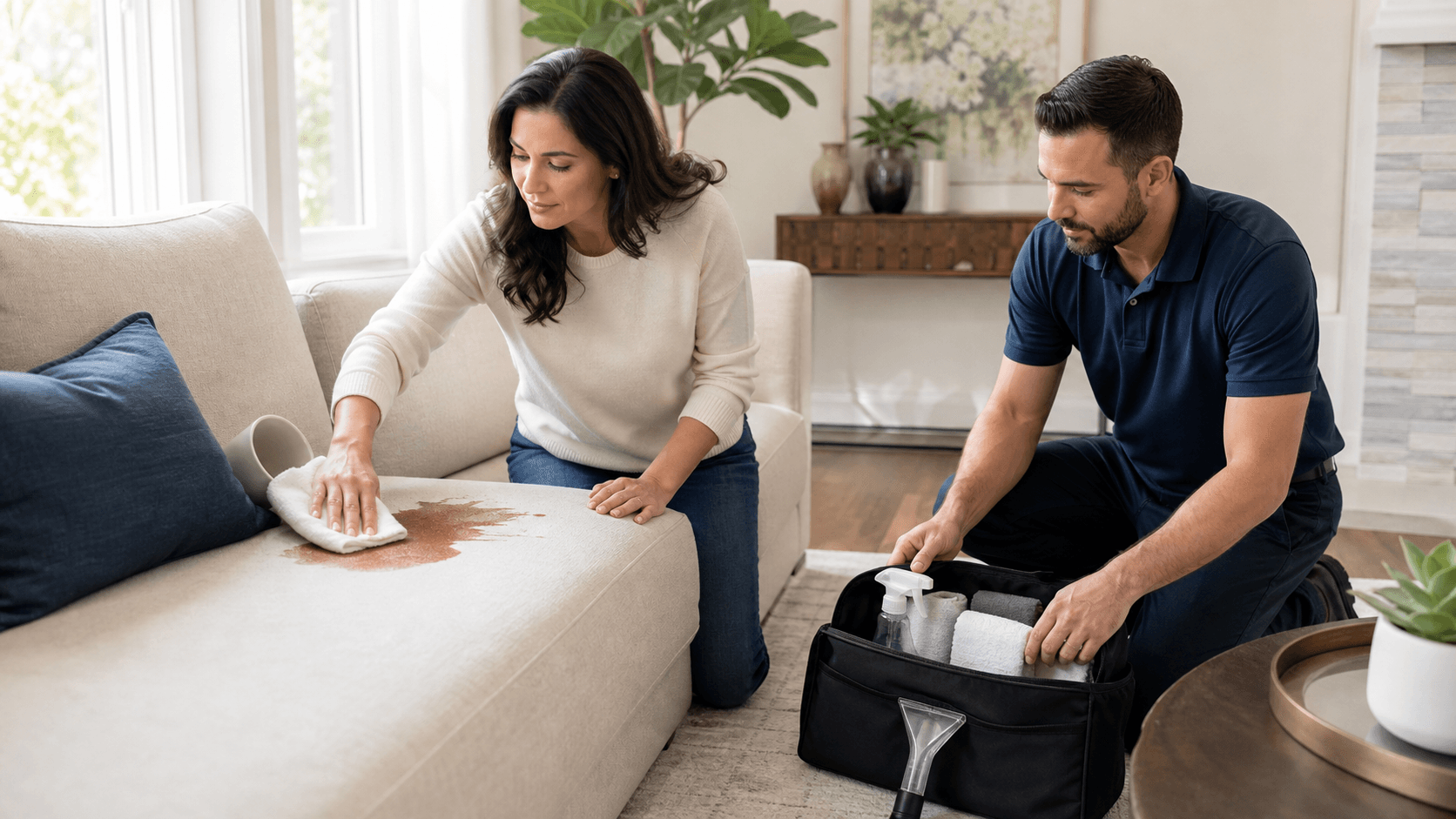
Your upholstery takes a beating. Your couches, chairs, and sectionals catch crumbs, pet hair, winter slush, and coffee drips. You vacuum, you blot, you spray, but the fabric still looks dull or smells a bit off. At some point, surface cleaning is not enough and you need a deeper, professional clean.
That is where the choice between steam-based cleaning and low-moisture dry cleaning comes in. The method you pick affects how fresh your furniture feels, how long it lasts, and how safe it is for the fabric. It also affects your day, especially in a busy GTA home or office where you cannot have seating out of use for long.
If you live in a Greater Toronto Area home, condo, or work in an office here, you probably know the pattern. Kids, pets, and winter salt mix with long stretches of closed windows. By the time warm weather and guests roll around, your sofa feels tired. Before you book a service, it helps to understand when a deeper steam-style clean makes sense and when a dry option is the better call.
Steam Cleaning Basics: What Really Happens to Your Sofa
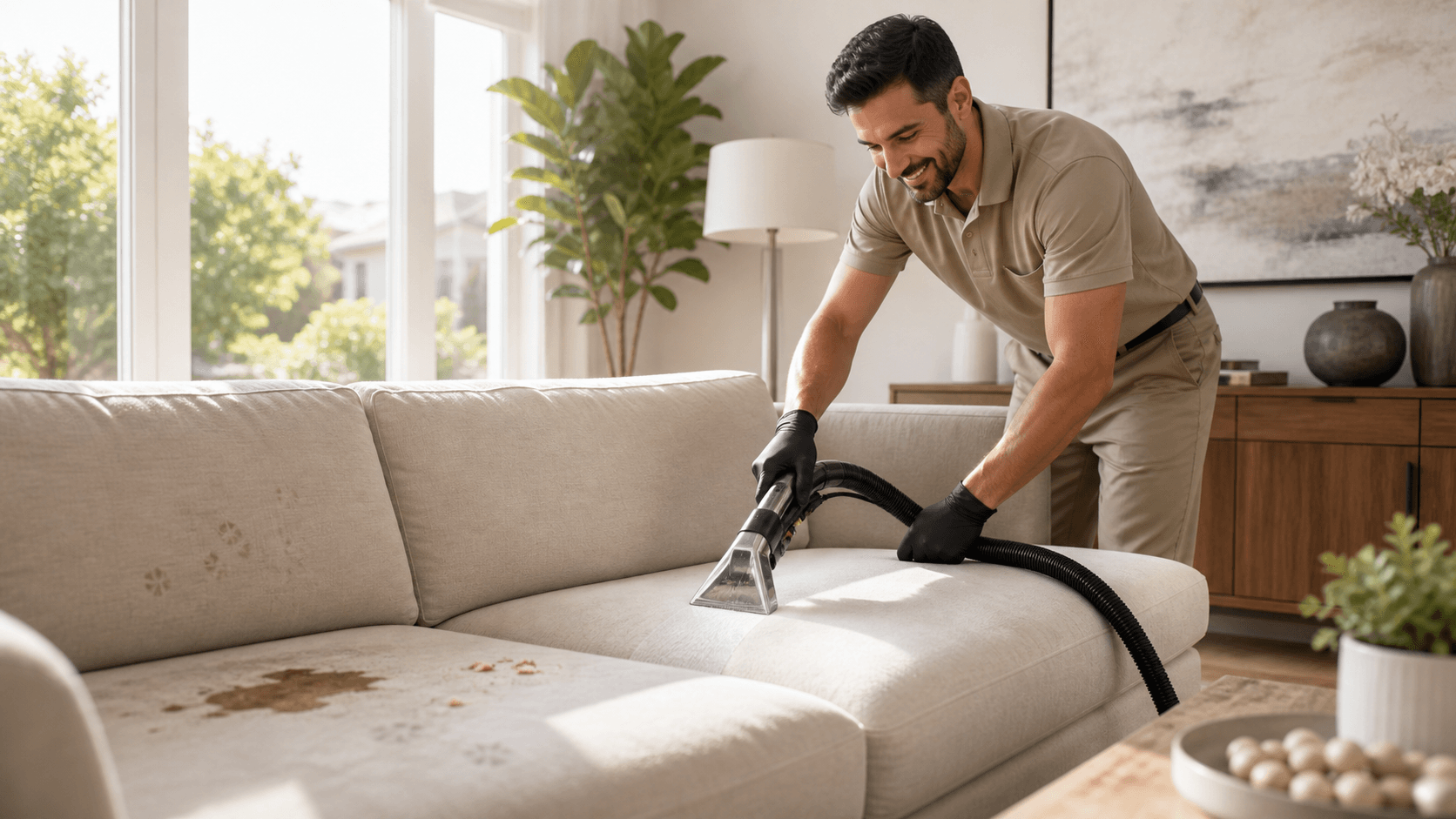
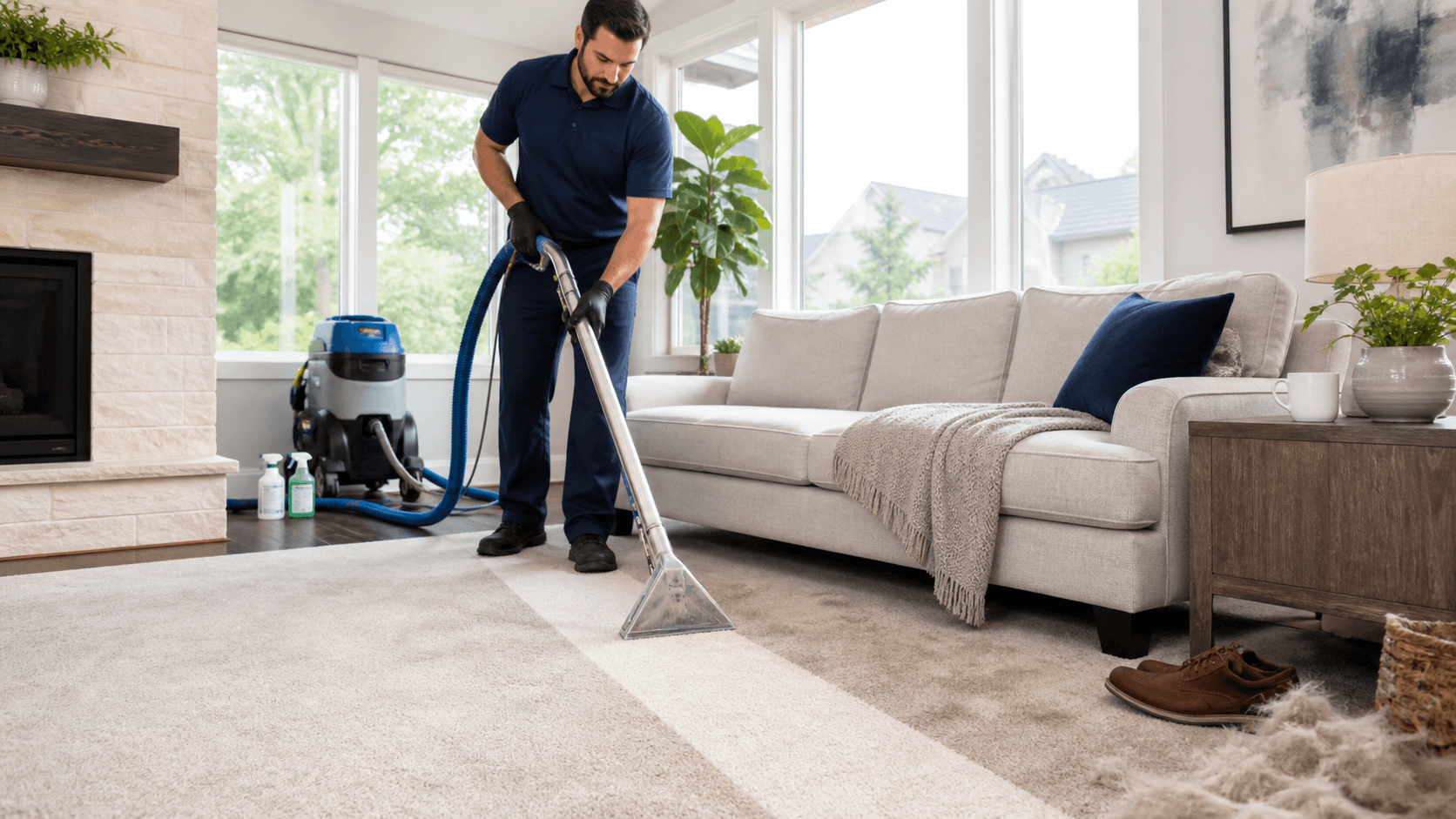
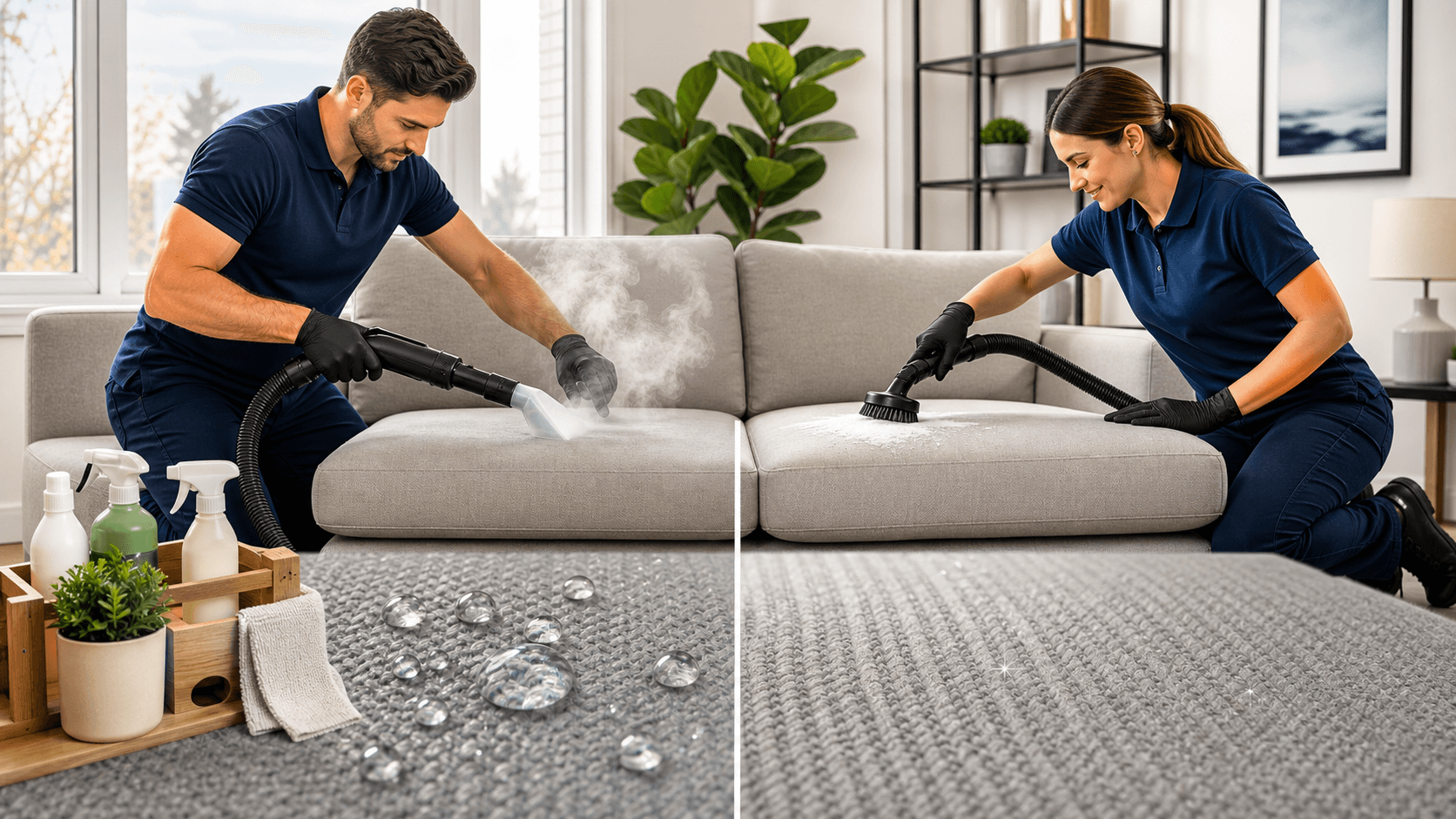
When you hear "upholstery steam cleaning," you might picture clouds of hot steam soaking your sofa. That is not how professional hot-water extraction works. In simple terms, a technician applies a fabric-safe cleaning solution, then uses a machine to inject hot water into the fibers and quickly extract it along with loosened soil.
The process uses controlled heat and moisture, not boiling water that leaves cushions dripping. The goal is to flush out what regular vacuuming leaves behind, like body oils, fine dust, food residue, and allergens. Done correctly, the fabric should feel slightly damp after cleaning, not soaked.
Here are some main pros of a steam-based approach:
- Deep rinsing of built-up grime, especially on armrests and seat cushions
- Effective odor removal for food smells, pet accidents, and sour "gym bag" scents
- Good for flushing out salt, street dirt, and winter slush tracked in from GTA sidewalks
- Helpful if you are allergy-conscious and need more thorough soil removal
There are also some cons to keep in mind:
- Longer drying time, especially on thick cushions or in rooms with poor airflow
- Risk of overwetting if the wrong tool, technique, or settings are used
- Not ideal for moisture-sensitive fabrics or older, fragile heirloom pieces
Fabrics that often do well with this method include many synthetic materials, sturdy blends on family sofas, and most office seating fabrics, as long as a professional does proper testing first. Before any deep clean, careful fiber and color testing should always come first.
Dry Upholstery Cleaning: When Less Moisture Is More
"Dry" upholstery cleaning does not mean zero moisture. It usually means low-moisture methods that use specialized solvents, encapsulation products, or a fine mist of cleaner instead of flushing the fabric with hot water. The idea is to clean the surface and upper layers of the fiber while keeping water use very low.
This approach can be a smart choice when you need the furniture ready fast or when the fabric will not tolerate much water. The products are designed to loosen soil so it can be wiped, brushed, or vacuumed away, with less chance of shrinkage or water marks.
Key pros of low-moisture upholstery care include:
- Much quicker drying time, often within a short part of the day
- Well suited to condos and offices where seating cannot be out of service for long
- Safer for delicate fibers that can shrink, bleed, or change texture with heavy water
- Less risk of saturation in cushions or padding that can hold on to moisture
There are trade-offs:
- May not remove deep contamination or long-term odors as well as a full flush
- Some very old, set-in stains might stay visible, especially after DIY attempts
- Heavy pet issues or severe spills sometimes need wet extraction instead
Natural fibers like some wools, certain cottons, and detailed, patterned fabric on accent chairs or heirloom pieces often respond better to a low-moisture approach. It is also important to think about health and the environment. Modern eco-minded dry products can be gentle and low residue, but you still want a trained technician choosing what touches the fabric you sit and sleep on.
Match the Method to Your Fabric and Lifestyle
So how do you know what your furniture actually needs? A good starting point is the care tag, usually found under a cushion or underneath the piece. You might see codes like:
- W: Water-based cleaning is generally safe
- S: Solvent-based cleaning only, avoid water
- WS or SW: Either water-based or solvent cleaning, with testing
- X: Vacuum only, no standard cleaning products
These tags are helpful, but they are not the full story. Colorfastness testing is non-negotiable before any deeper clean, wet or dry. A pro should test a small hidden spot to see how the dye and fiber react to both moisture and product.
From there, your lifestyle and how you use the piece come into play:
- Busy family sofa with kids and pets
A steam-based method often makes sense to rinse out body oils, snack spills, paw prints, and the "mystery" spots that just show up. You get a more thorough reset, as long as the fabric allows it.
- Delicate accent chair or antique piece
Low-moisture cleaning is usually safer to help avoid shrinkage, texture change, or color bleed. With older furniture, the fabric, backing, and padding can all be more sensitive.
- Office reception or waiting room seating
You need seating to look good and dry quickly. Often, a light, regular low-moisture clean works well, with the option for deeper hot-water extraction during quieter times if the fabric and construction allow it.
Around early summer, you may want furniture fresh for guests, barbecues, and longer visits. It is also a smart time to clear out dust, pollen, and stale indoor air particles that built up while windows were closed. A professional technician should look at your actual fabric, soil level, and any allergy or asthma concerns before choosing between methods.
Pros, Cons, and Red Flags You Should Never Ignore
To recap, a deeper moisture-based clean with hot-water extraction is usually best when:
- The piece is heavily soiled or has stubborn odors
- You or your family deal with allergies or sensitivities to dust and dander
- You want to extend the life of sturdy everyday furniture by removing built-up soil
Low-moisture options shine when:
- You need quick drying and fast use of the furniture
- The fabric or inner foam does not tolerate much water
- The piece is more decorative, delicate, or rarely used but still needs freshening
There are also red flags that tell you it is time to stop guessing and call in a pro:
- Pet or smoke odors that come back after home cleaning
- Visible rings or dark outlines from previous DIY spot cleaning
- Sagging cushions, puckered seams, or color changes after trying home products
Choosing the wrong method, or a cheap, one-size-fits-all service, can lead to shrinkage, color loss, or permanent marks. Taking a thoughtful approach helps you protect your investment and can delay the day you need to replace that favorite sofa or sectional.
Your Next Step to Fresher, Safer Upholstery
A quick check around your home or office can tell you a lot. Look for care tags, notice any musty or pet odors when you press your nose close to the cushions, and feel for sticky or dull areas where body oils have collected. Those are signs your upholstery needs more than a quick vacuum.
When you are ready for a deeper clean, start by having the fabric tested, then talk through your goals and any concerns with the technician. From there, you can choose between a deeper hot-water extraction or a gentle low-moisture clean based on what is safest for your fabric and healthiest for the people using it every day.
Refresh Your Home with Healthier, Cleaner Upholstery Today
If you are ready to revive tired furniture and improve the air quality in your home, our upholstery steam cleaning service is a simple way to get started. At Healthy Carpet Care, we use safe, effective methods tailored to your fabric so you can feel confident about every clean. Reach out to our team with any questions or to book an appointment through our contact page.